For the person with autoimmunity who refuses to quit

How We Resolve Autoimmune Disease With Our Simple 3-Step "Energetic Debt" Approach

Even If You've Been Dismissed, Told To "Just Live With It", Or If Conventional Methods Have Failed You...

Book Your Call

The Three-Step Process

The Energetic Debt process gives the work a clear sequence: repair what is damaged, stop the ongoing stress, and hold the gains.

Repair

01

Repair the damaged mitochondrial DNA.

Stop

02

what's causing the damage.

Hold

03

Protect what you've gained.

How an internal signal becomes an immune alarm

This section traces the proposed sequence through mitochondrial stress, loss of containment, immune recognition, inflammatory signaling, and a cycle that can reinforce itself.
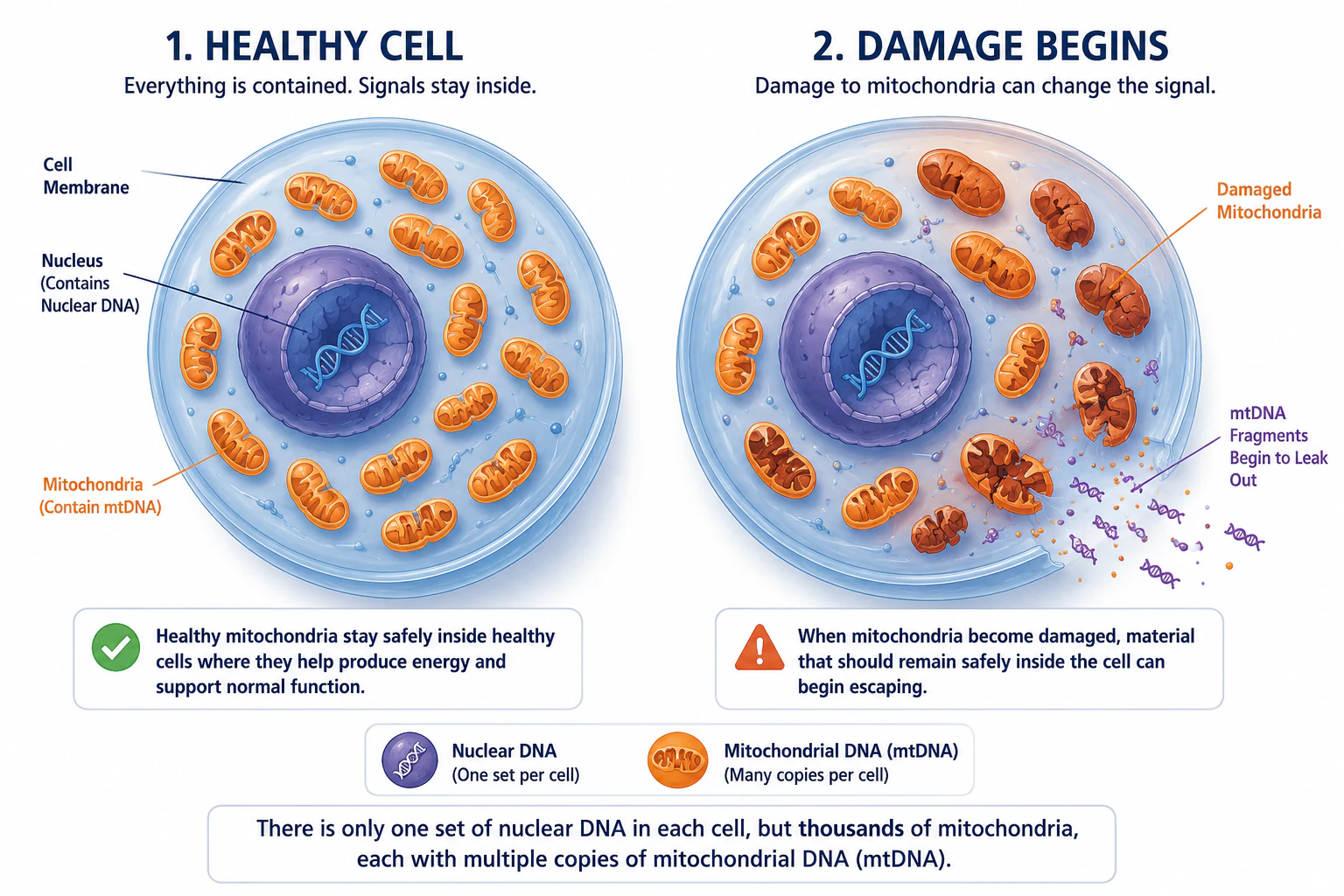
Mitochondrial integrity keeps internal signals contained

Mitochondria carry their own compact DNA referred to as mtDNA, separate from the DNA in the cell's nucleus. Mitochondria also operate under constant demand to make all the energy that fuels our body's functions. The Energetic Debt model begins when accumulated stress outpaces the systems that protect, repair, recycle, and rebuild mitochondria. When mitochondrial structure is compromised, mtDNA and other internal components can appear where they normally would not. [1][2][6][8]
Diagram comparing a healthy cell with a cell containing damaged mitochondria and mitochondrial DNA fragments beginning to escape.
Healthy containment compared with the beginning of mitochondrial damage and leakage.

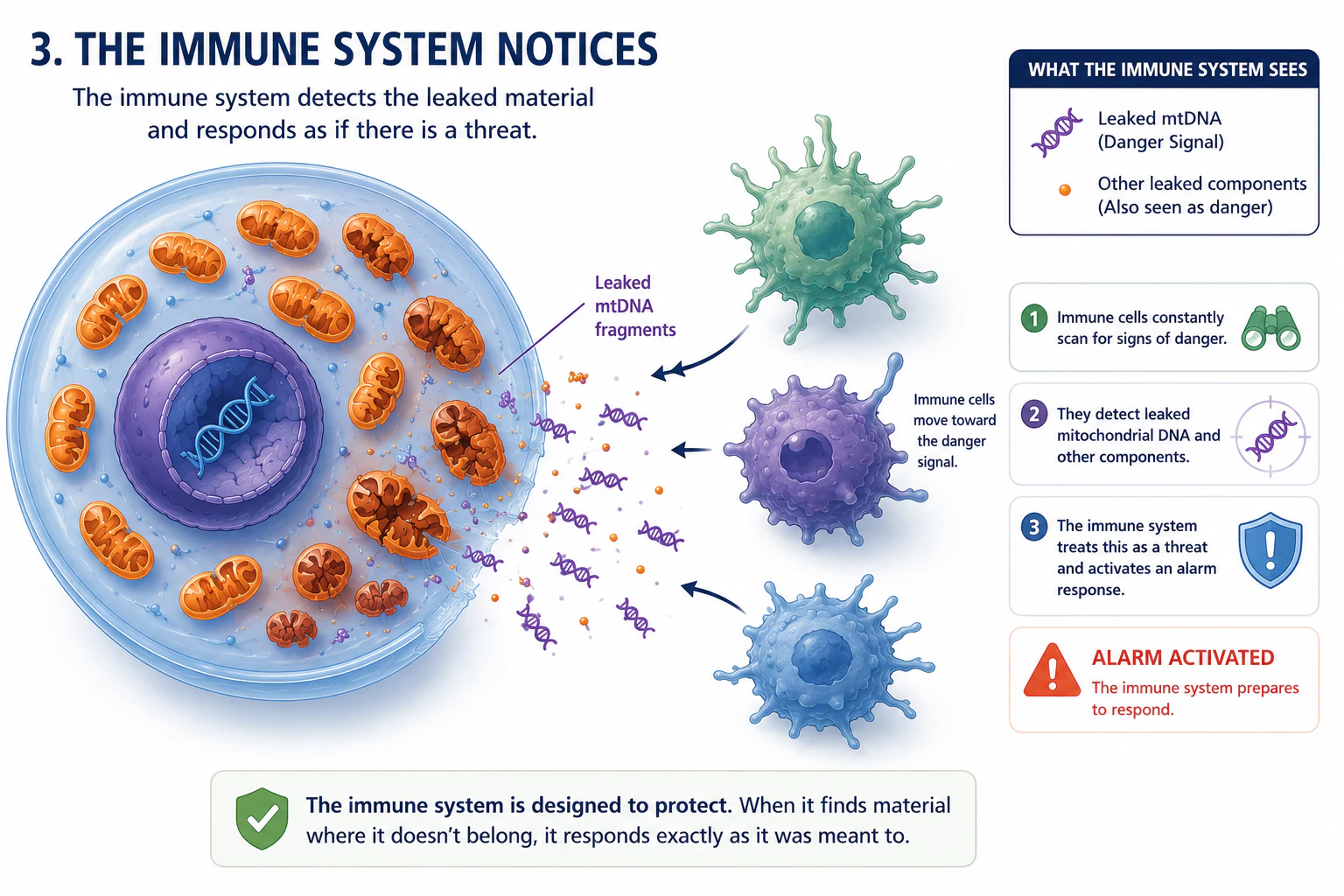
Misplaced mitochondrial DNA becomes a danger signal

Mitochondrial DNA retains structural features associated with its bacterial ancestry. When that DNA reaches the cytoplasm or the space outside a cell, the immune system responds to it the exact same way that it would respond to an invading bacteria or virus. [6][7][8]
Diagram showing immune cells moving toward mitochondrial DNA and other components leaking from a damaged cell.
Innate immune cells detect leaked mtDNA and other internal components as danger signals.

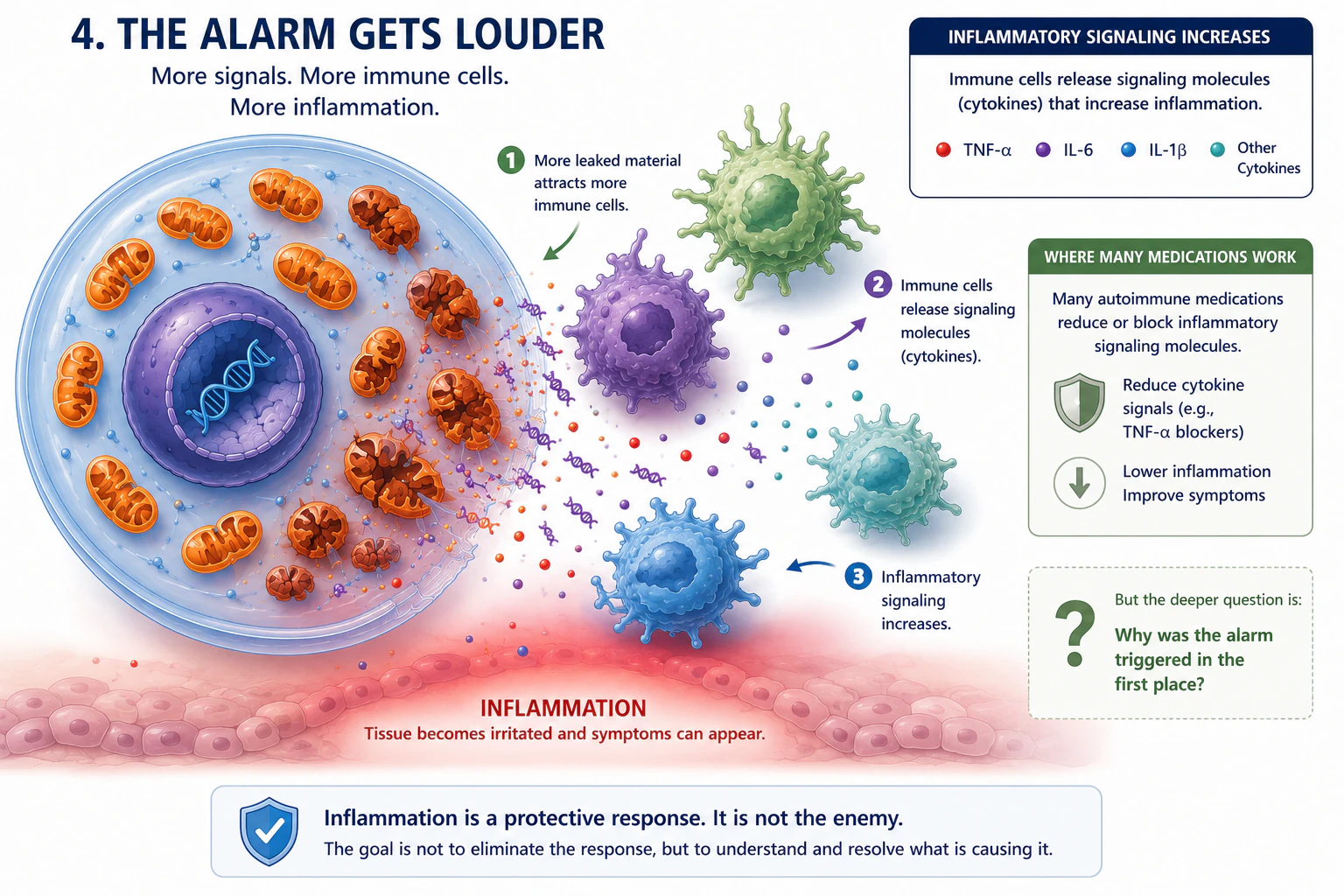
The alarm recruits a larger inflammatory response

Once these sensing pathways activate, immune cells release signaling molecules that recruit additional cells and amplify the response. Inflammation such as TNF-alpha, IL-6, IL-1 beta, and type I interferons are part of the communication network that turns a local warning into a wider inflammatory environment. [6][7][8]
Diagram showing immune cells gathering around a damaged cell and releasing inflammatory signals near tissue.
More leaked material can recruit more immune activity and increase inflammatory signaling.

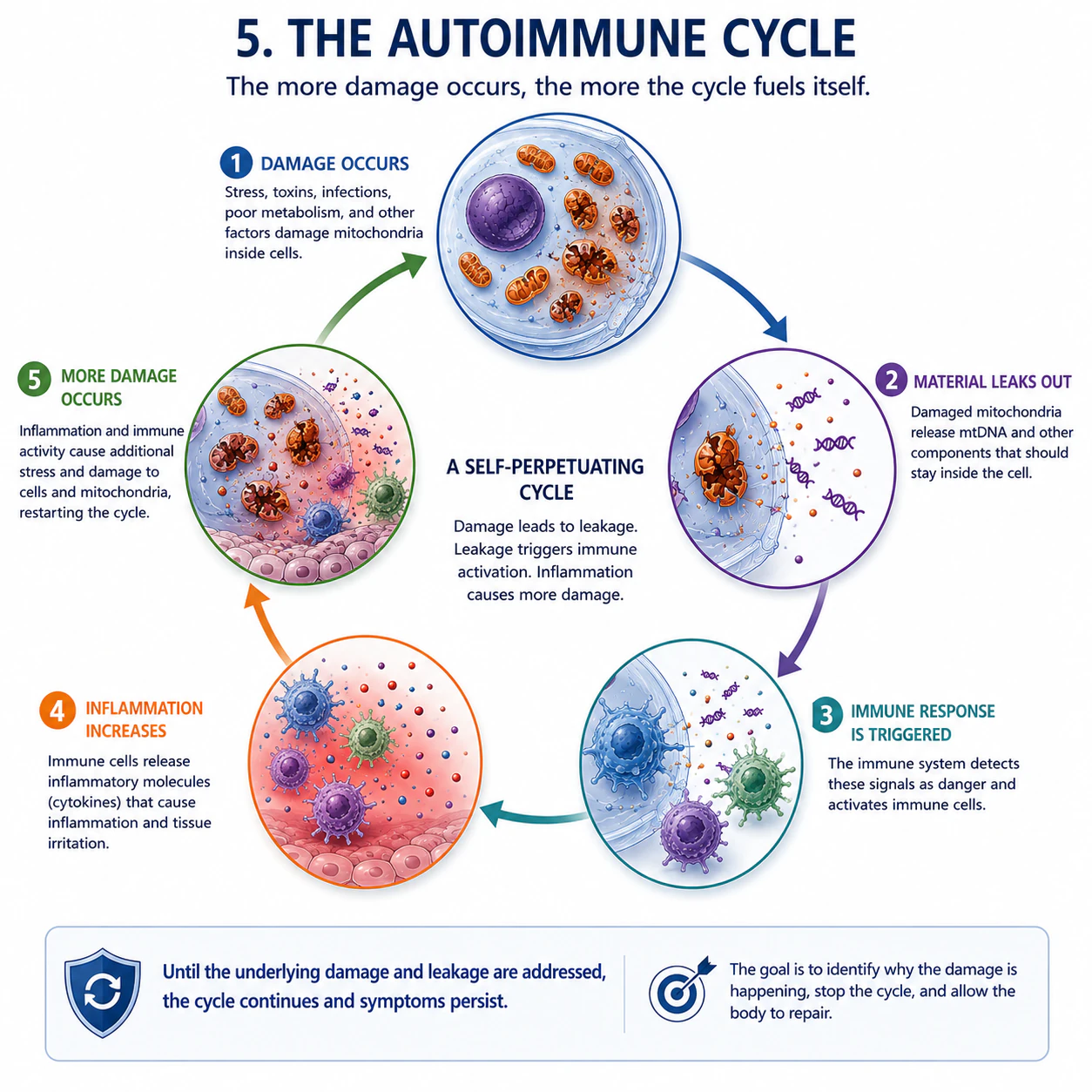
The immune response can reinforce the cycle

The model organizes the sequence into a feedback loop: damage produces leakage, leakage activates an immune alarm, the alarm increases inflammation, and that inflammatory environment can add further cellular and mitochondrial stress. This feedback can keep the process active over time. [6][7][8]
Circular five-step diagram of mitochondrial damage, material leakage, immune activation, inflammation, and additional damage.
The Energetic Debt model arranges the damage-to-inflammation pathway as a repeating cycle.

How the model explains different symptom patterns

Symptoms depend on the tissues involved and each person's cellular thresholds. Autoimmune markers may also appear before a formal diagnosis.
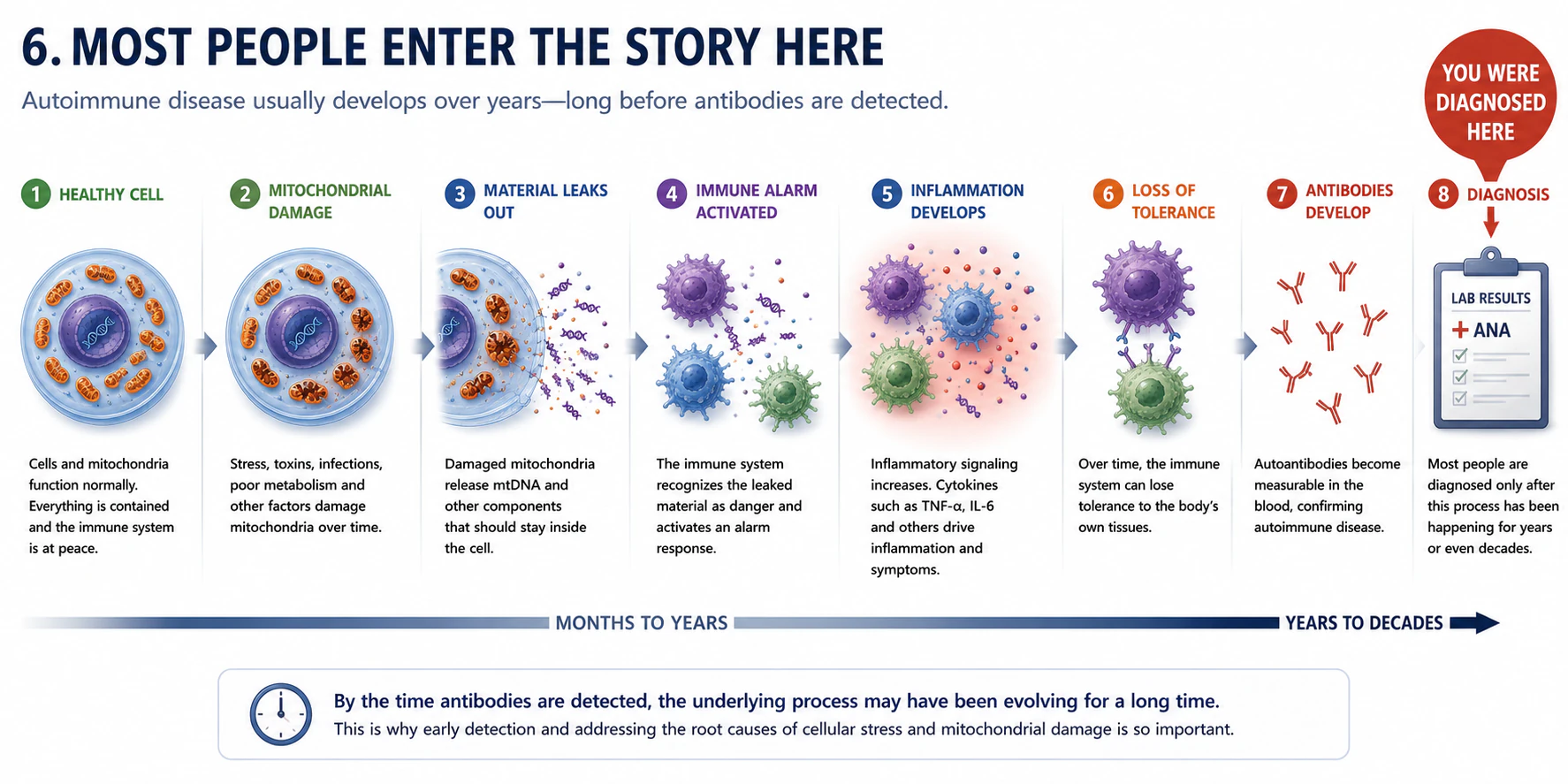
Autoimmune markers can appear before diagnosis

Autoimmune markers and symptoms can develop before a person receives a formal diagnosis. By the time diagnosis occurs, the underlying process may have been developing for months or years. Research in systemic lupus has documented autoantibodies years before clinical diagnosis. [12]
Timeline from a healthy cell through mitochondrial damage, leakage, immune activation, inflammation, loss of tolerance, antibodies, and diagnosis.
Diagnosis may occur after autoimmune markers and symptoms have already begun to develop.

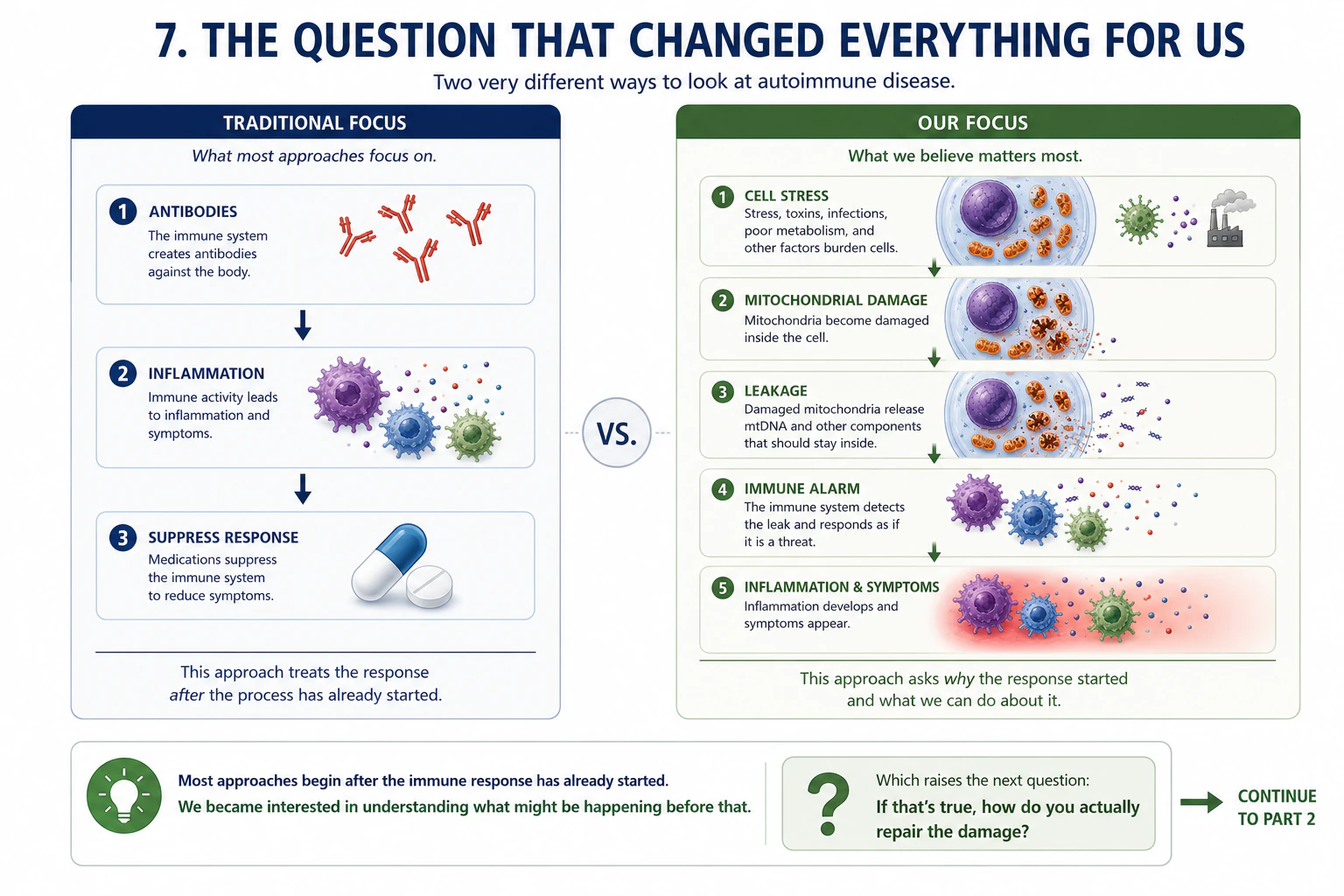
Energetic Debt looks for earlier cellular signals

Antibodies, inflammation, and symptoms are established parts of autoimmune disease. Energetic Debt examines what may occur before those signs become visible. The model traces the proposed signal back to cell stress, mitochondrial damage, and loss of containment.
Comparison diagram contrasting a traditional focus on antibodies and inflammation with a proposed upstream focus on cell stress and mitochondrial leakage.
Two different starting points: the downstream immune response and the proposed upstream signal.

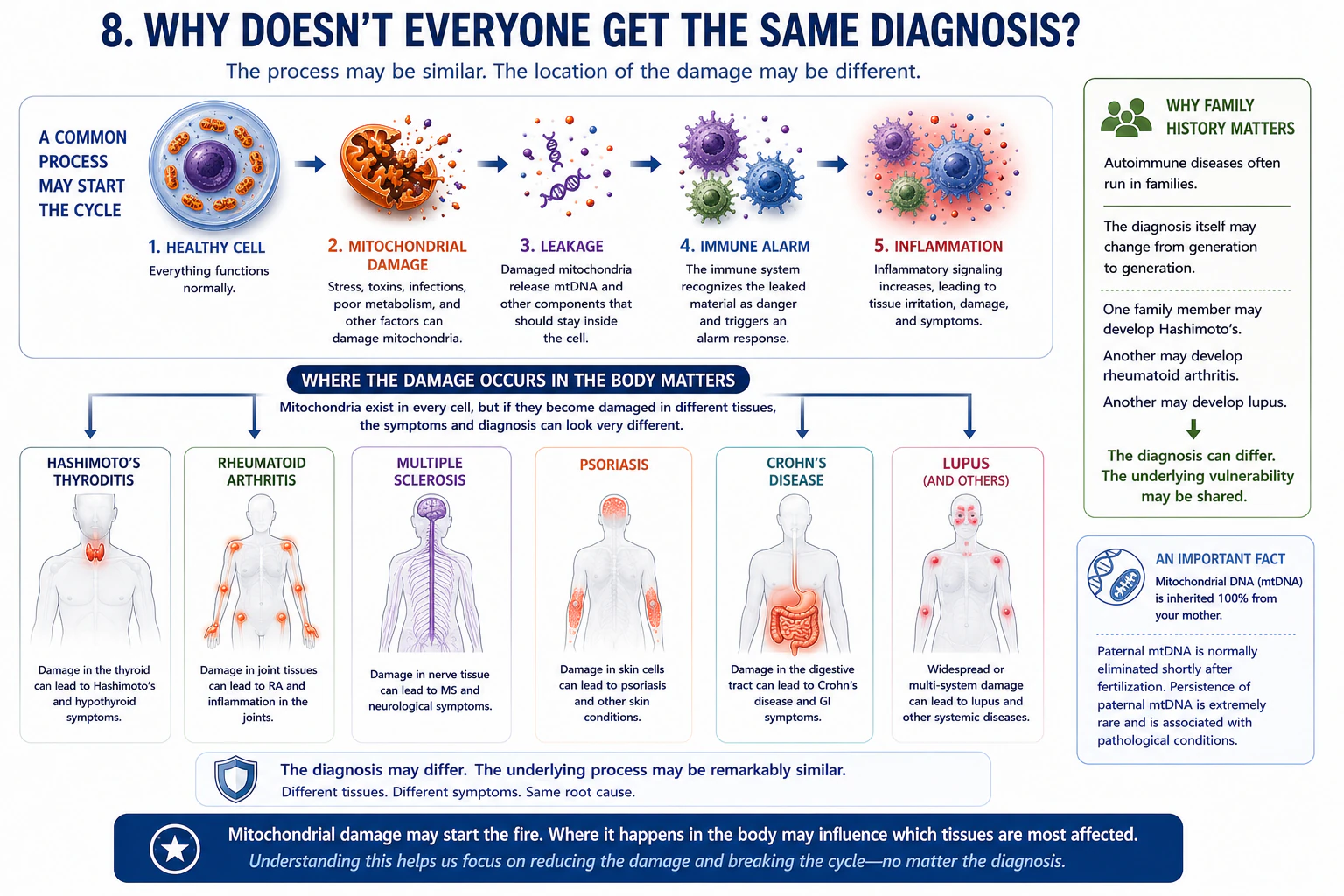
Mitochondrial thresholds vary by tissue and person

Each cell can contain many copies of mtDNA, and those copies do not always match. The term heteroplasmy describes a mixture of mitochondrial DNA variants within a cell or tissue. Mitochondrial research has shown that the proportion and location of a variant can influence when cellular function changes. The model uses this threshold idea to explain why similar pressures may not produce identical symptoms in every person. [2][3][5][11]
Diagram proposing that a shared mitochondrial damage process may present differently depending on the tissue affected, with examples of several autoimmune diagnoses.
Different tissues and individual thresholds can shape how a shared process presents.

Symptom relief and cellular repair are separate goals

The model separates three tasks: lowering the immune alarm, supporting the body, and changing the cellular conditions that generated the signal.
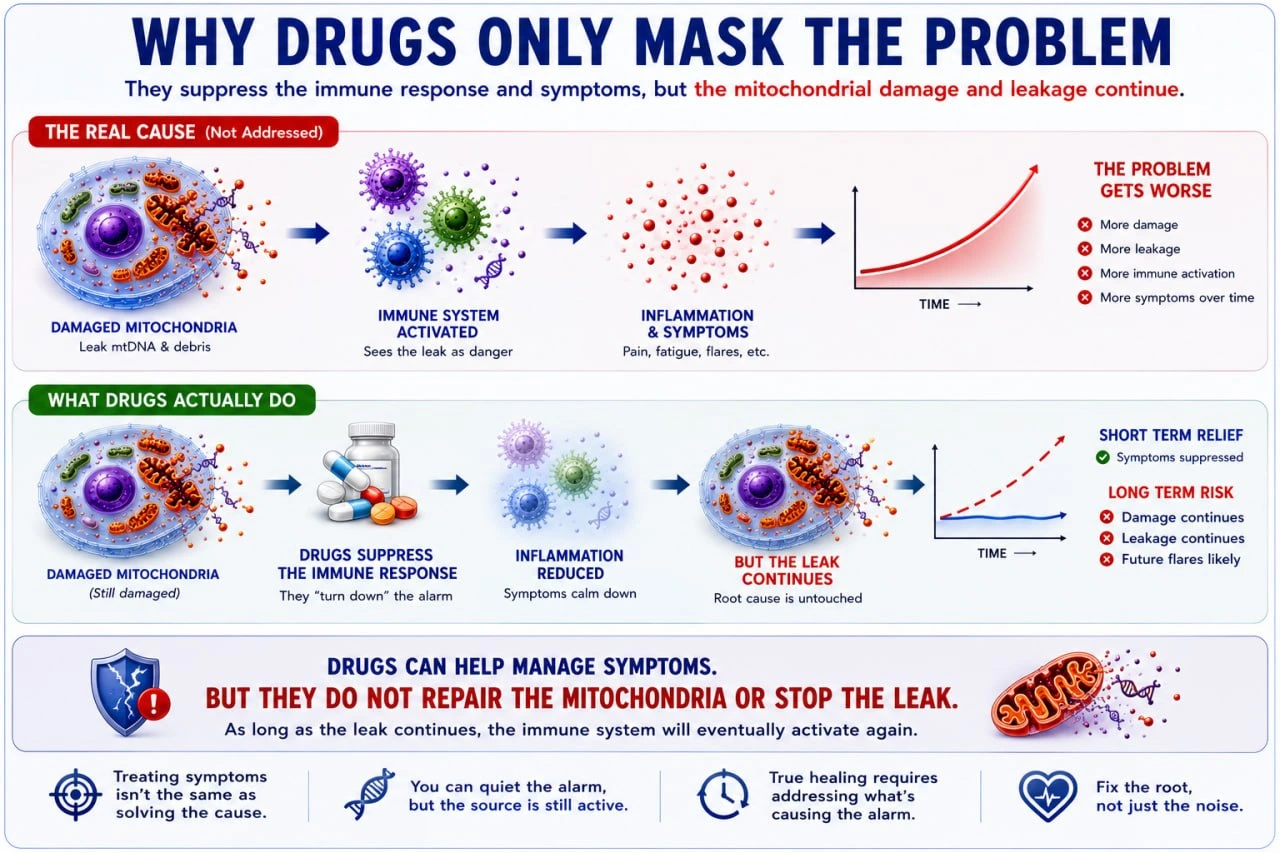
The framework separates symptom control from cellular repair

Reducing immune activation and inflammatory signaling can reduce symptoms. Within the Energetic Debt framework, that is described as turning down the alarm. The framework also examines whether the cellular conditions that generated the alarm have changed and whether continued support is still needed.
Diagram explaining why drugs only mask the problem: they suppress immune response and symptoms while mitochondrial damage and leakage continue.
Drugs can manage symptoms, but they do not repair the mitochondria or stop the leak.

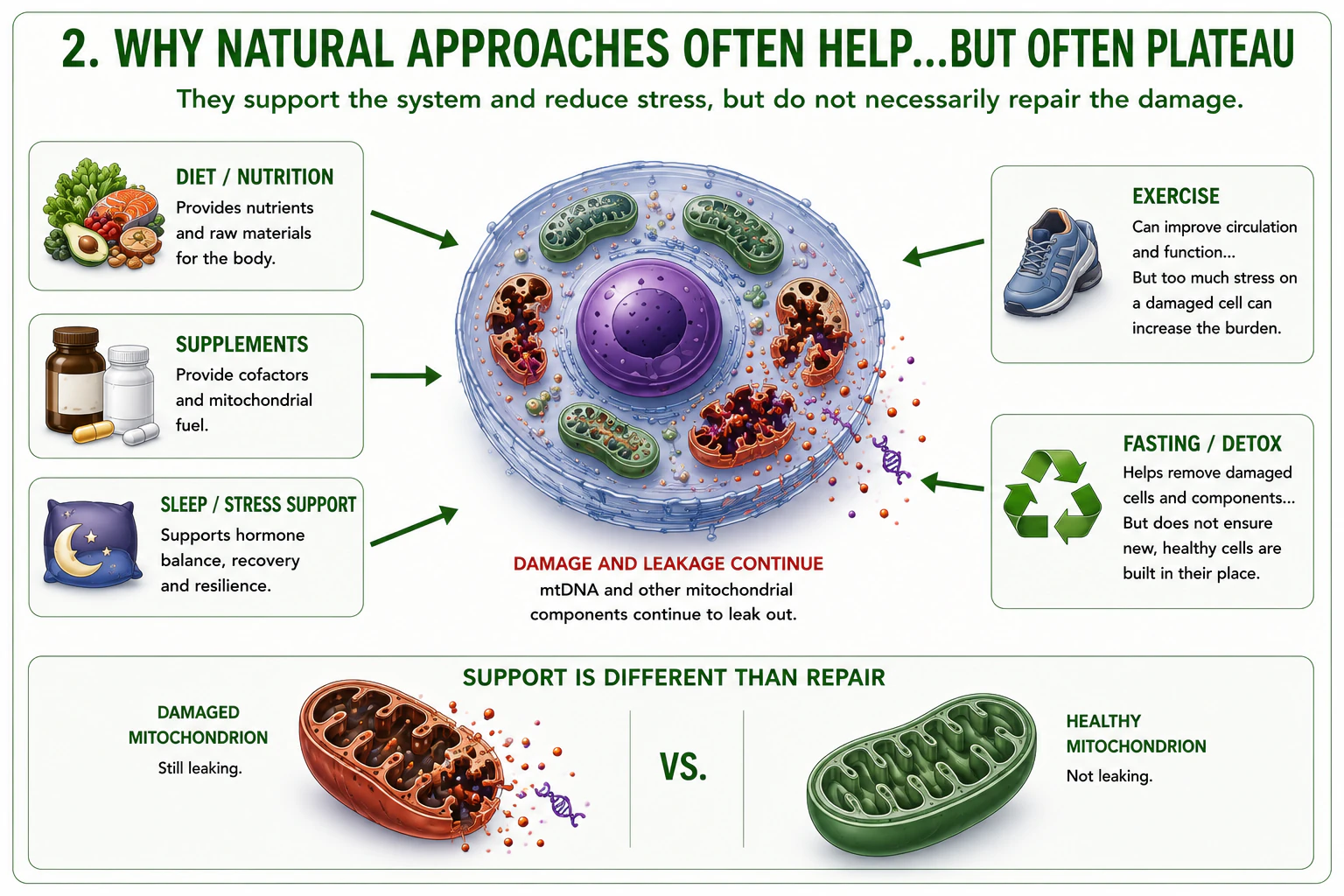
The framework distinguishes support from repair

Nutrition, sleep, stress support, movement, supplements, and other foundational practices can change the demands placed on the body. The model's distinction is between lowering the burden around a damaged system and restoring the system's ability to contain, communicate, produce energy, clear debris, and replace what is no longer working. [1][2][8]
Diagram showing nutrition, supplements, sleep, exercise, fasting, and detox surrounding a cell with damaged mitochondria, followed by damaged-versus-healthy mitochondria.
The Energetic Debt framework separates supportive inputs from complete cellular restoration.

How Energetic Debt organizes cellular restoration

Different burdens may converge at a shared point of cellular vulnerability. Superior Health Solutions organizes its response into five stages.
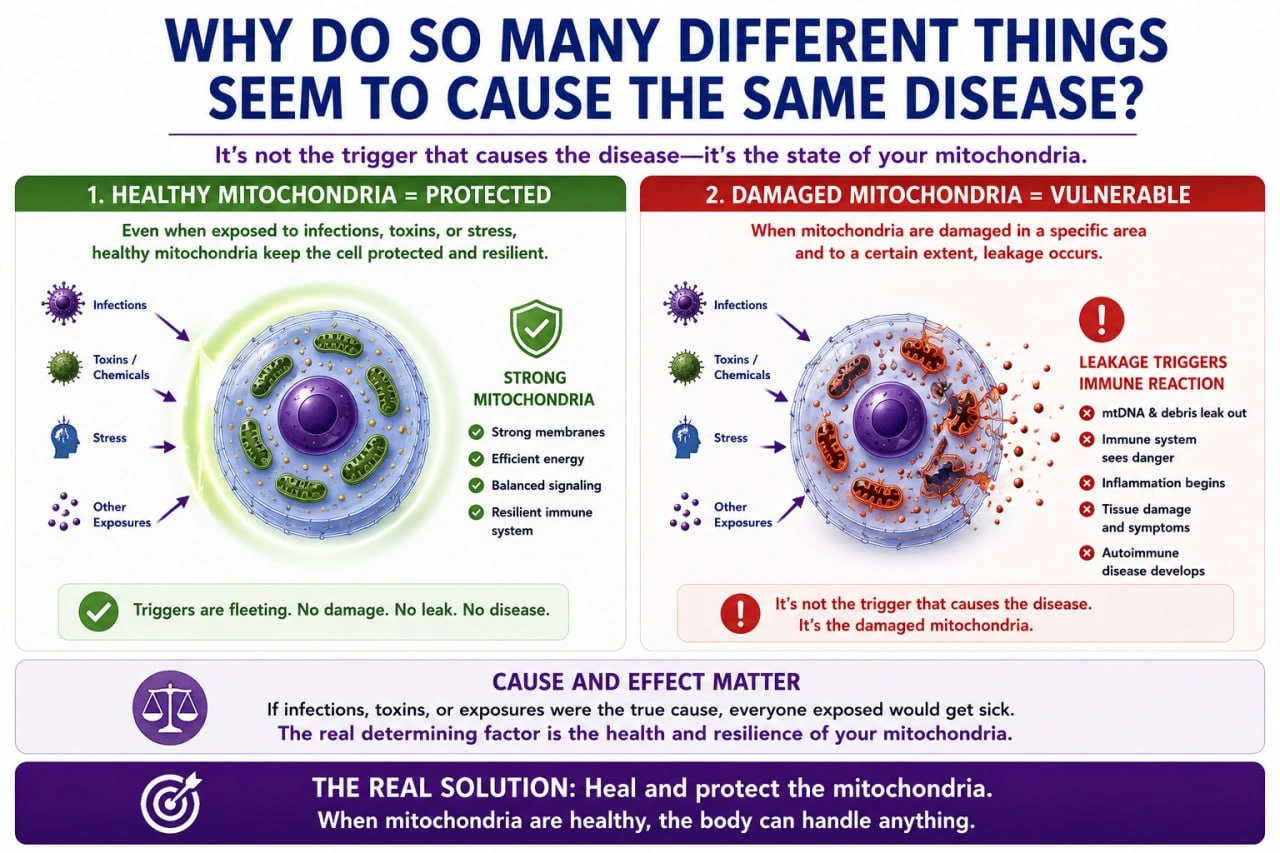
Different burdens can converge on a shared internal pathway

Viruses, bacteria, mold, chemicals, heavy metals, parasites, metabolic strain, and chronic stress are different exposures. In this model, each exposure may add to the demands on cellular protection and repair. The proposed convergence point is loss of mitochondrial integrity, followed by internal danger signaling. [1][2][8]
Side-by-side diagram comparing healthy protected mitochondria with damaged vulnerable mitochondria under the same exposures.
It is not the trigger that causes the disease—it is the state of your mitochondria.

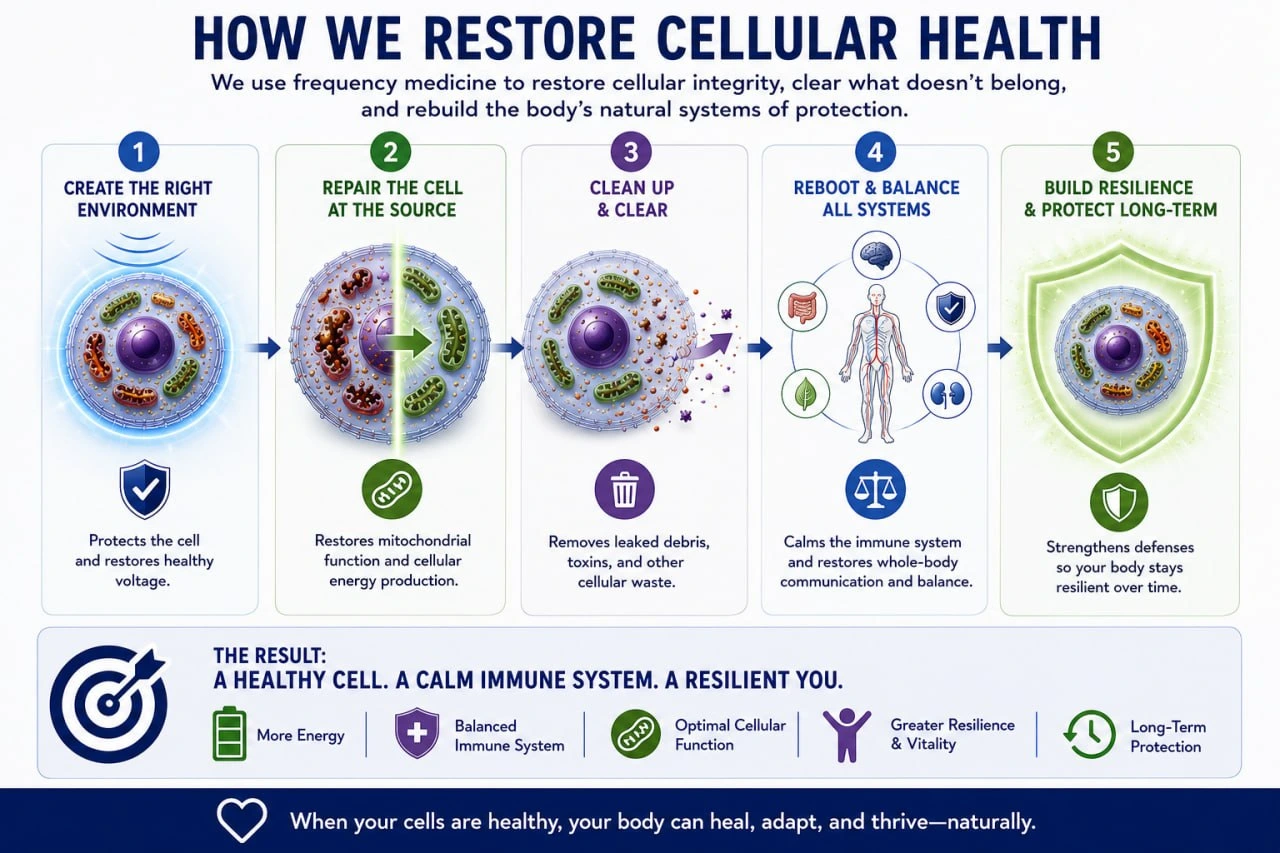
The complete Energetic Debt sequence

Superior Health Solutions organizes the biological model into five parts: create voltage and protect the cell, repair at the source, clear leaked material and debris, restore communication across systems, and build greater resilience over time.
Five-step framework for restoring cellular health: create the right environment, repair the cell at the source, clean up and clear, reboot and balance all systems, and build long-term resilience.
How frequency medicine restores cellular integrity and the body's natural systems of protection.

How frequency medicine heals the cell from the inside out

Damaged cell to frequency input to healed cell. Therapeutic frequencies target mitochondria and cell structures directly, restoring natural cellular communication and accelerating repair from the inside out.

Every cell in the body operates on bioelectrical principles. Healthy cells maintain a voltage across their membrane, communicate through electrical signaling, and use that communication to regulate everything from energy production to immune response. When mitochondria are damaged and leaking, that electrical integrity is compromised. The cell is, in a real sense, running on a degraded signal.

Therapeutic frequencies are designed to penetrate tissue and interact directly with cellular structures, including the mitochondria themselves. The goal is not to override the cell's biology but to restore the communication environment that allows the cell to do what it already knows how to do: repair, regulate, and return to function.

Think of it this way. Diet and supplements are like giving a construction crew better materials and more rest. Frequency medicine is like restoring the communication system on the job site so the crew can actually coordinate the repair. Both matter. But without the second one, the first one has limits.

In practice, this means patients who have done everything right nutritionally and still hit a wall often see meaningful movement when frequency technology is added to the protocol. Not because the diet and supplements weren't working, but because they were addressing a different layer of the problem. Repair at the membrane and mitochondrial level requires a different kind of input.

The result, when all three layers are addressed together, is what we are aiming for: more energy coming out of repaired mitochondria, a cleaner cellular environment as debris is cleared, and an immune system that finally has a reason to return to a balanced, non-reactive state. Not managed. Restored.
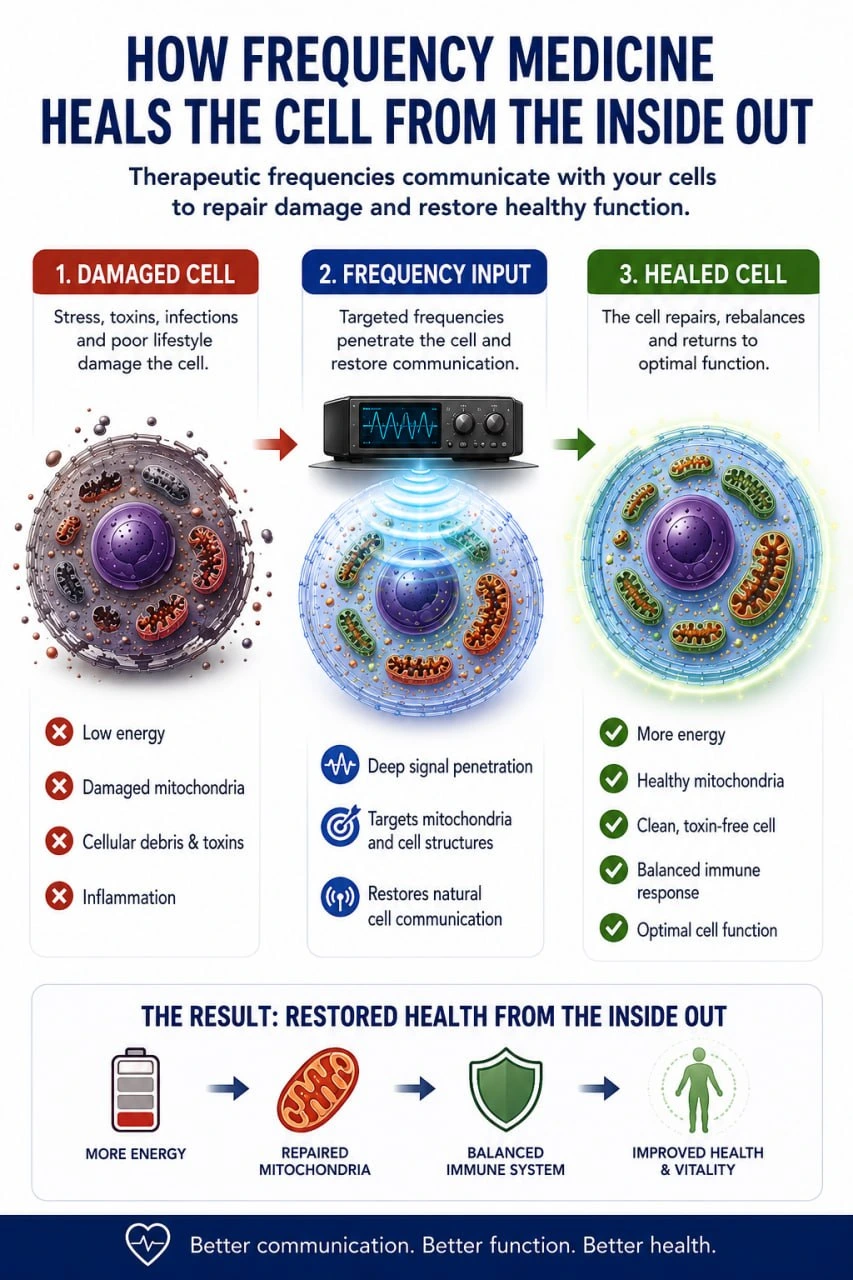
Three-step diagram showing a damaged cell, therapeutic frequency input targeting mitochondria, and a healed cell with restored energy and balanced immune response.
Therapeutic frequencies communicate with cells to repair damage and restore healthy function from the inside out.

Sources and further reading

The references below are the published sources used in Dr. Rob DeMartino's research manuscript and the additional preclinical-autoimmunity source cited in the timeline.

  1. Wallace DC. Genetics: Mitochondrial DNA in evolution and disease. Nature. 2016;535(7613):498–500.
  2. Wallace DC. Mitochondrial DNA mutations in disease and aging. Environmental and Molecular Mutagenesis. 2010;51(5):440–450.
  3. Wallace DC, Singh G, Lott MT, et al. Mitochondrial DNA mutation associated with Leber's hereditary optic neuropathy. Science. 1988;242(4884):1427–1430.
  4. Bunn CL, Wallace DC, Eisenstadt JM. Cytoplasmic inheritance of chloramphenicol resistance in mouse tissue culture cells. PNAS. 1974;71(5):1681–1685.
  5. Picard M, et al. Progressive increase in mtDNA 3243A>G heteroplasmy causes abrupt transcriptional reprogramming. PNAS. 2014.
  6. Activation of the cGAS-STING innate immune response in cells with deficient mitochondrial topoisomerase TOP1MT. Human Molecular Genetics. 2023;32(15):2422–2437.
  7. Self-DNA sensing by cGAS-STING and TLR9 in autoimmunity: is the cytoskeleton in control? Frontiers in Immunology. 2021.
  8. Mitochondrial DNA-triggered innate immune response: mechanisms and diseases. Cellular & Molecular Immunology. 2023.
  9. Lam LKM, et al. DNA binding to TLR9 expressed by red blood cells promotes innate immune activation and anemia. Science Translational Medicine. 2021;13(616):eabj1008.
  10. Hotz MJ, et al. Red blood cells homeostatically bind mitochondrial DNA through TLR9 to maintain quiescence and to prevent lung injury. American Journal of Respiratory and Critical Care Medicine. 2018;197(4):470–480.
  11. Swerdlow RH. Mitochondria in cybrids containing mtDNA from persons with mitochondriopathies. Journal of Neuroscience Research. 2007;85(15):3416–3428.
  12. Arbuckle MR, et al. Development of autoantibodies before the clinical onset of systemic lupus erythematosus. New England Journal of Medicine. 2003;349:1526–1533.

This page is educational and presents the published research alongside the Energetic Debt model. It is not individualized medical advice. Continue working with your treating physicians regarding diagnosis and treatment decisions.

Are you ready to reclaim your life back from autoimmune disease?

Start with a focused conversation about your diagnosis, symptoms, goals, and whether the Superior Health Solutions process makes sense for your case.

Book Your Call